
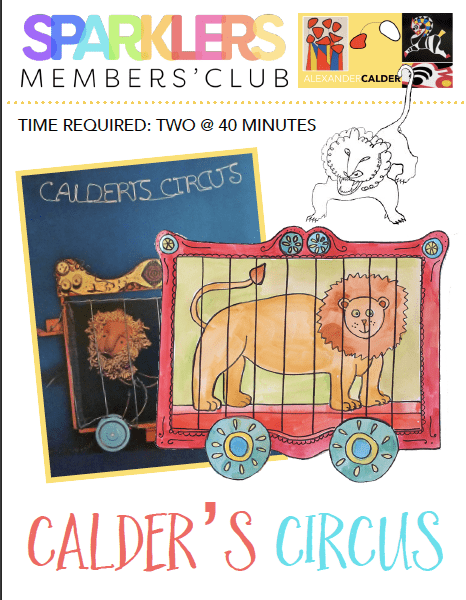
Calder liked the circus so much that he created his own. The Calder Circus had over 50 moving figures made out of wire, leather and cloth.... Learn More
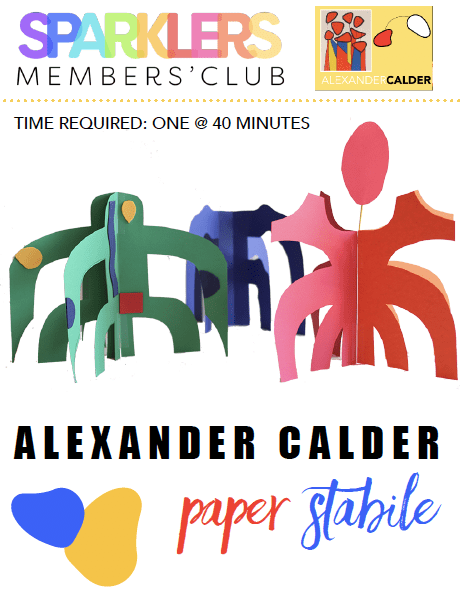
This STABILE project requires a small amount of time and offers much creative opportunity. Painted cereal box cardboard would make a great substitution for card stock and would offer more... Learn More
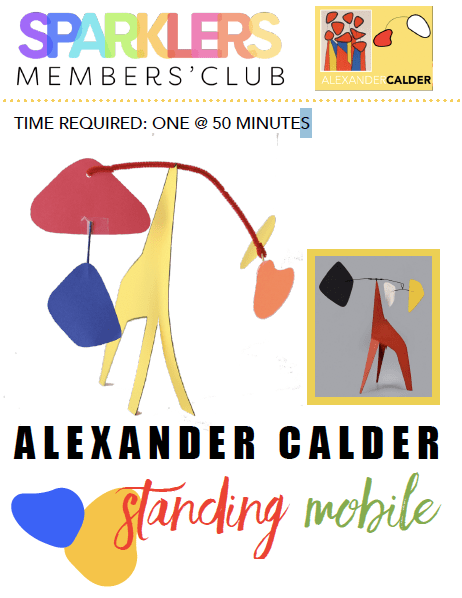
Calder combined Mobiles and Stabiles to create standing mobile units. Often these were in abstract shapes and animals shapes.... Learn More
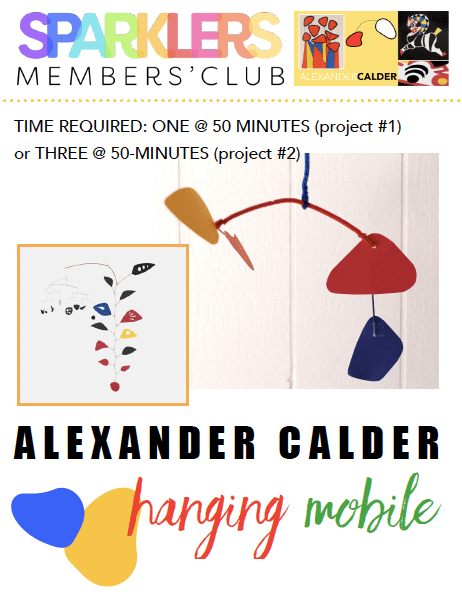
Alexander Calder introduced a new element to art by adding movement through hanging sculptures called mobiles. The movement creates a new art experience based on the changing direction of each unit.... Learn More
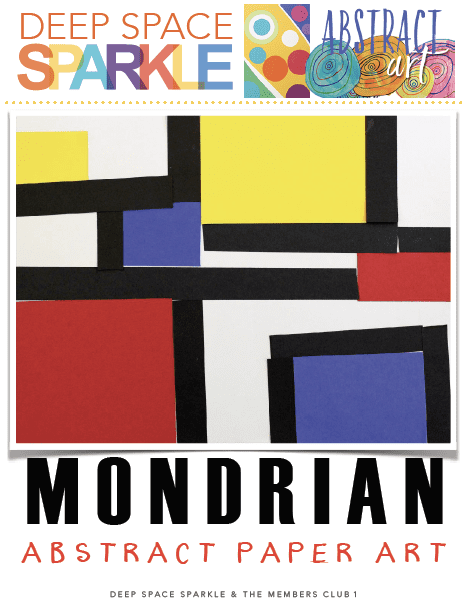
Creating Mondrian-style art requires both creativity and a good math sense. Lines should be straight, so using a straight edge is important. Many kids at this age do not know... Learn More
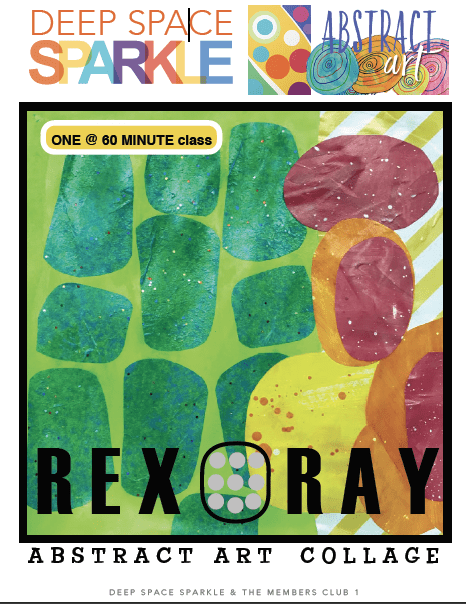
Creating collages is a wonderful way for children to express their sense of color and composition. It’s not always easy though, which is why I recommend showing children a few... Learn More
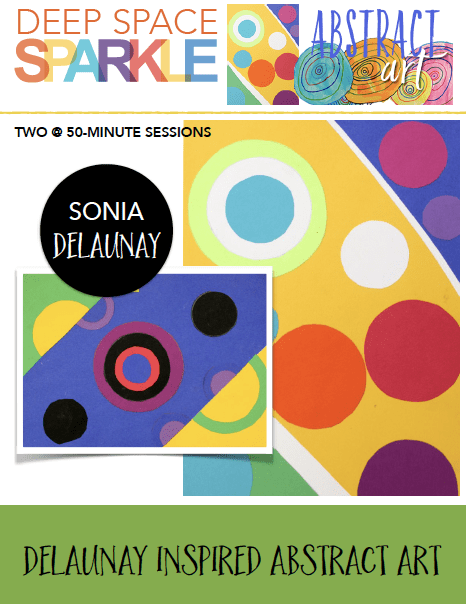
Sonia Delaunay along with her husband Robert Delaunay cofounded an art movement called Orphism. Strong colors and geometric shapes (Cubism) defined this movement. In fact, it was working on a... Learn More
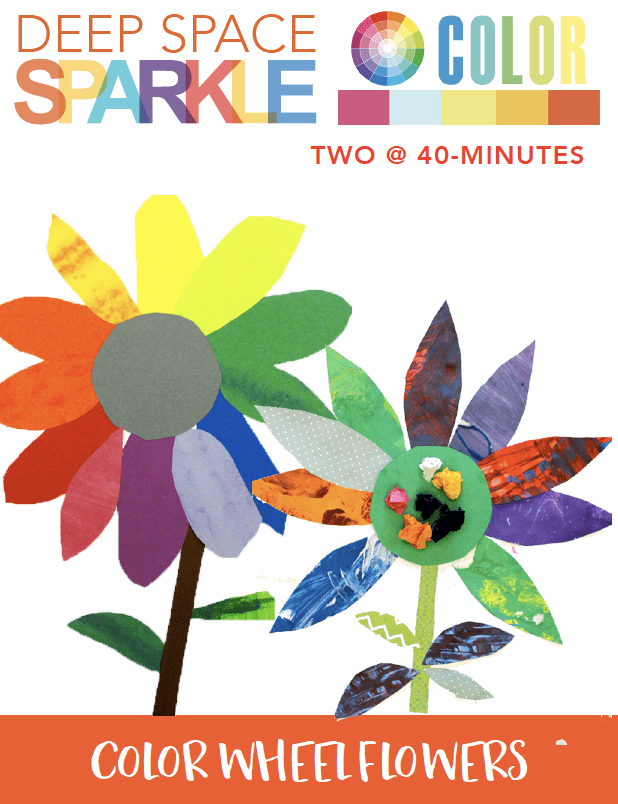
This is a great lesson to teach the color wheel, reinforce cutting and pasting skills and sharpen color observation and recognition. I did this lesson with my Kinders at the... Learn More
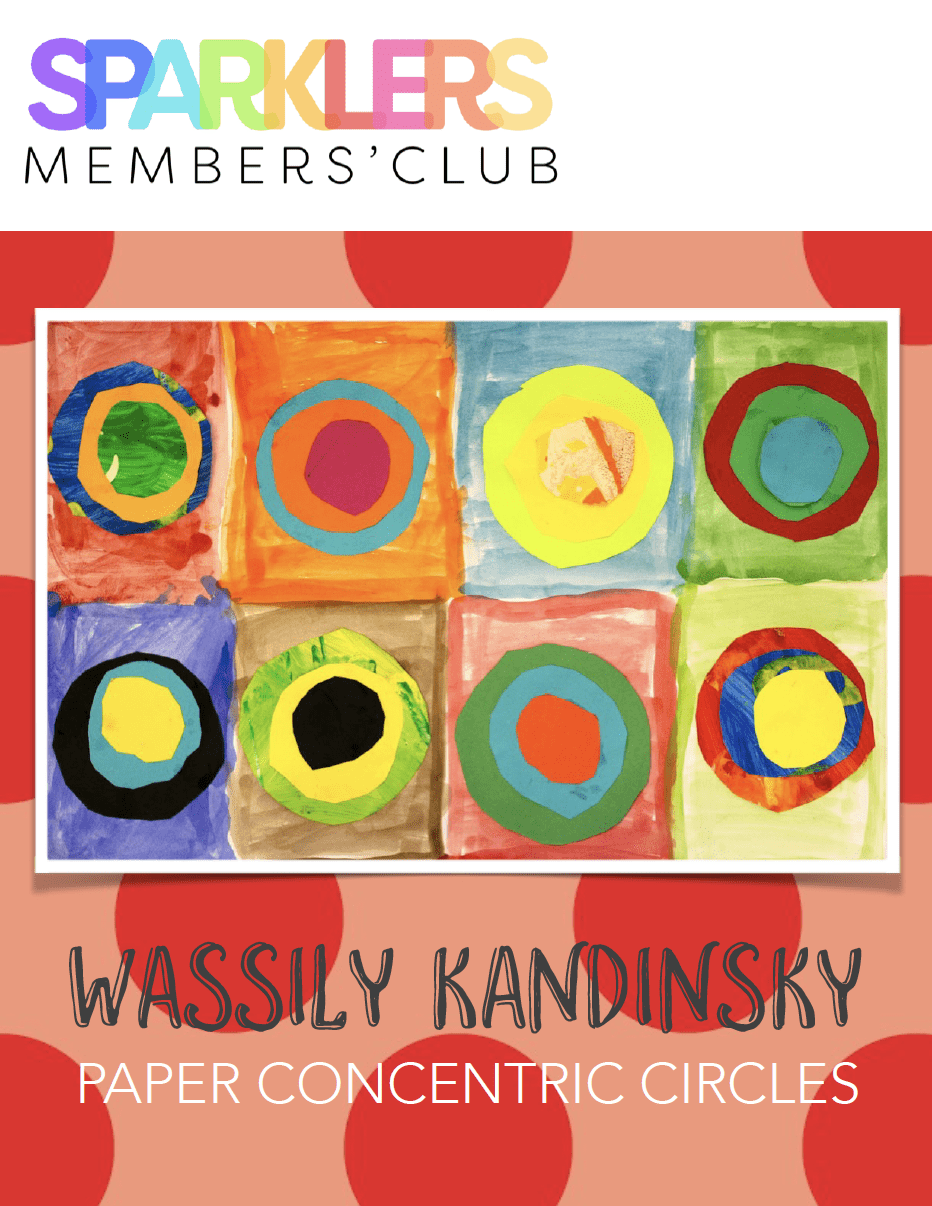
The classic Kandinsky art project inspired by his famous color study, Squares with Concentric Circles. This lessons not only reinforces cutting and gluing skills but is a great lesson to reinforce... Learn More
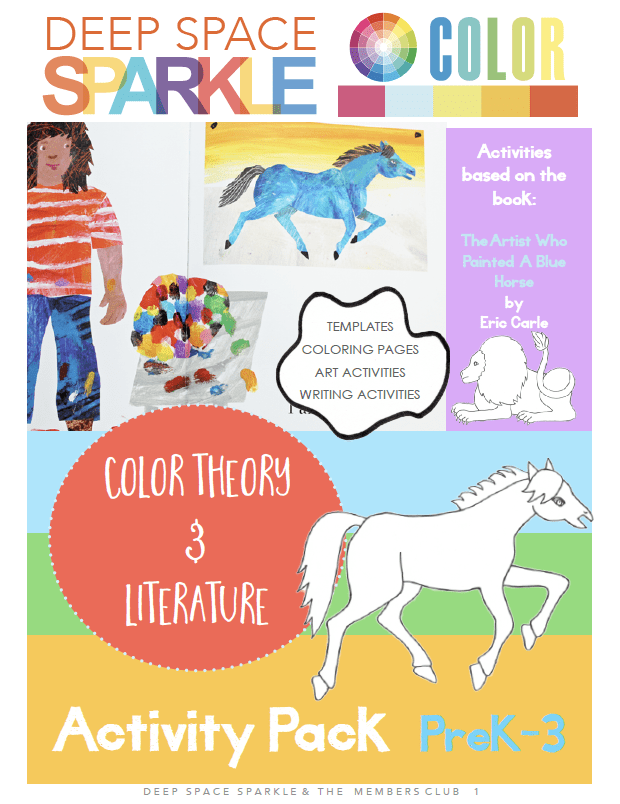
In the book, The Artist Who Painted A Blue Horse, author and illustrator Eric Carle tells the story of how he learned to create art and to paint colors that... Learn More
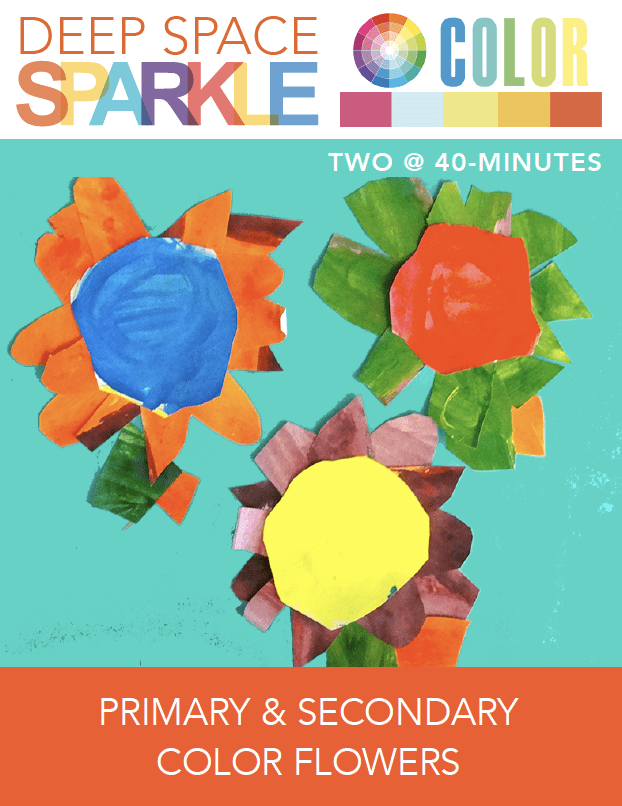
Often I wait until later in the year to teach color theory because although it sounds easy, I find most kids find color theory challenging. In my experience it is... Learn More
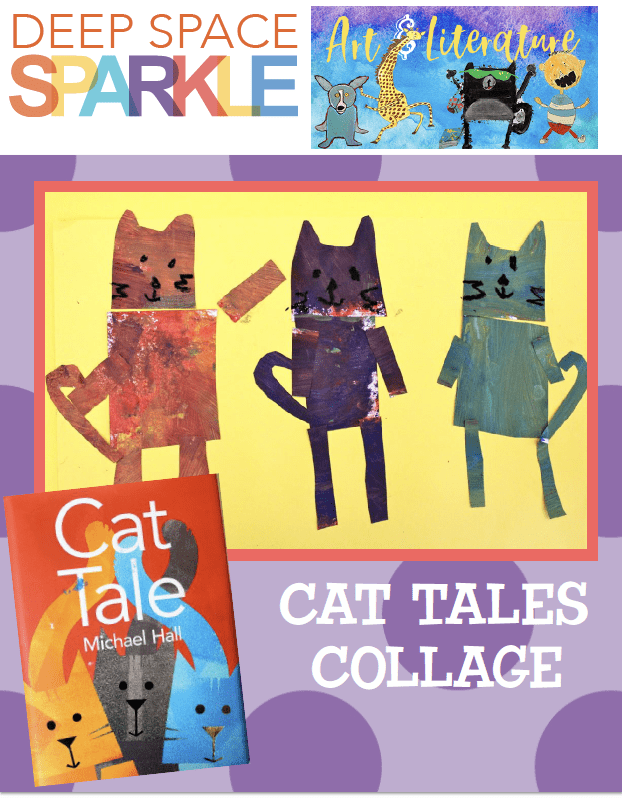
In Michael Hall’s picture book, Cat Tales, three inquisitive cats spend the afternoon chasing words, including homophones and homonyms, on a tongue twister of an adventure. Published in 2012 by Greenwillow... Learn More
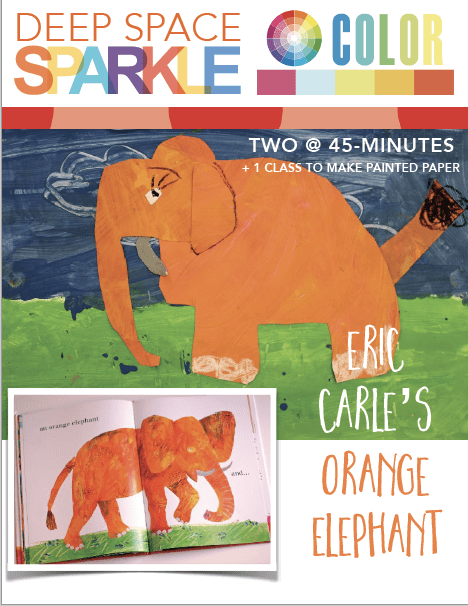
Eric Carle’s book The Artist Who Painted a Blue Horse is as delightful as the rest of his other titles. Journey through a young artist’s imagination as he paints a blue horse,... Learn More
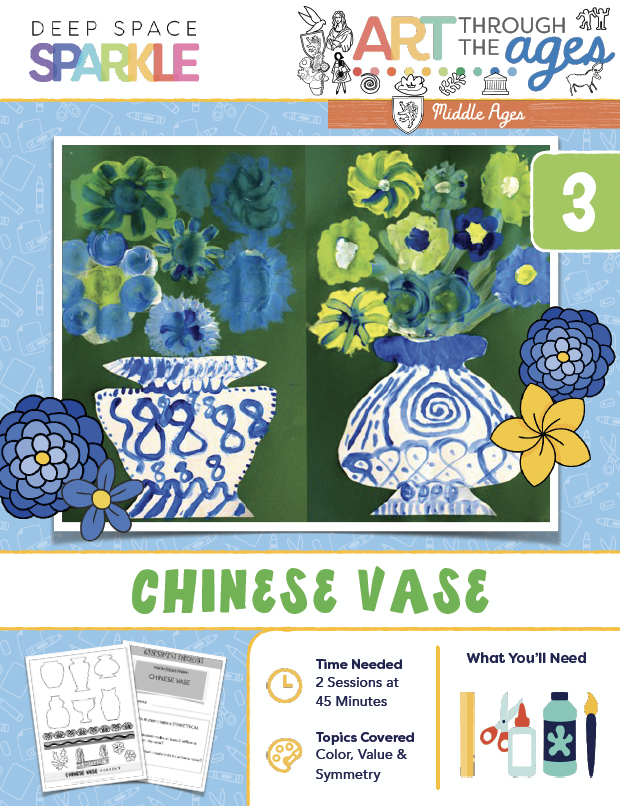
Chinese Vases are one of the most significant forms of Chinese art. Porcelain vases were not only important for art but they became a highly valued trade object. This project... Learn More
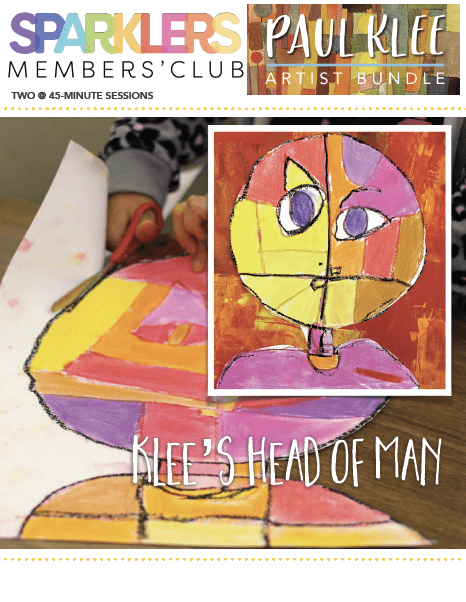
Paul Klee was born in Switzerland and as a young child, Paul loved both playing the violin and art but he eventually decided to go to art school. When Klee... Learn More
In Michael Hall’s picture book, Cat Tales, three inquisitive cats spend the afternoon chasing words, including homophones and homonyms, on a tongue twister of an adventure. Published in 2012 by Greenwillow... Learn More
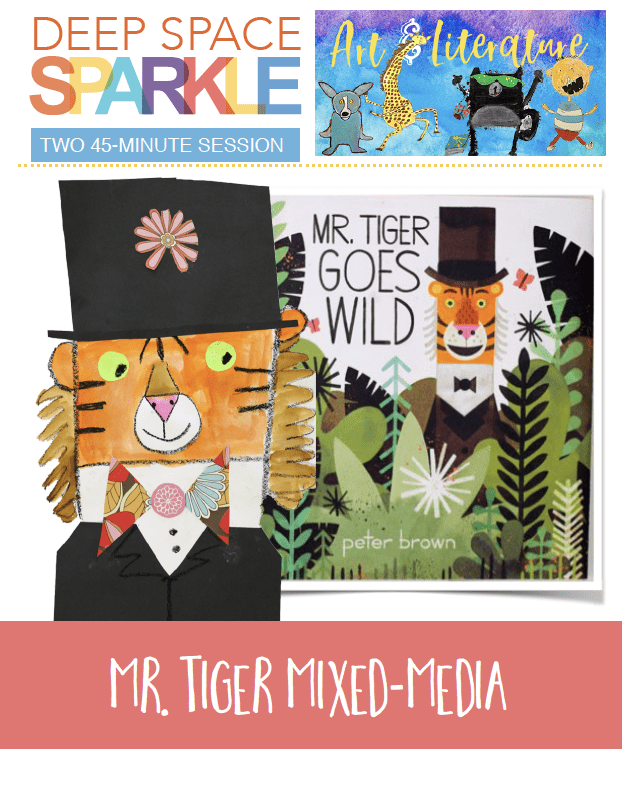
Mr. Tiger Goes Wild is a great book to illustrate emotions through expressions. Mr. Tiger is quite a serious fellow, wearing his very proper clothes and living in a very proper city... Learn More
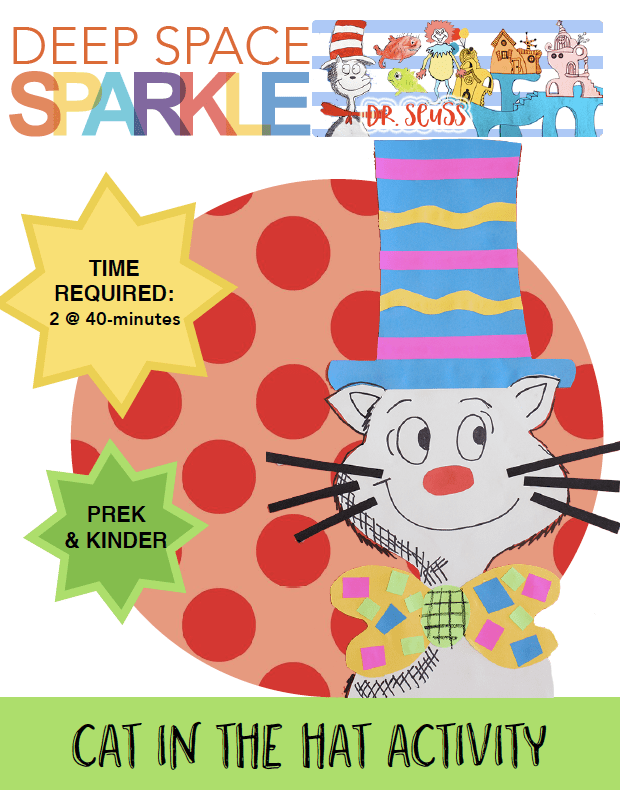
This lesson uses templates to help younger children create a Cat in the Hat without the need for directed drawing instruction. I’d recommend printing out the templates and using poster... Learn More