
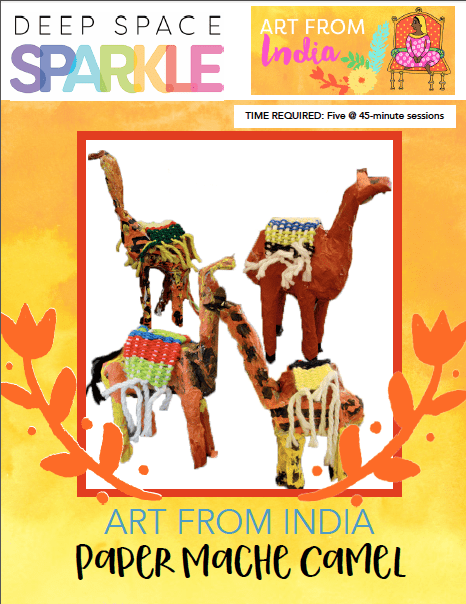
Embarking on a paper mache projects takes more planning than a regular drawing and painting lesson. You need to prep lots of newsprint, paper towels, collect egg cartons and any... Learn More
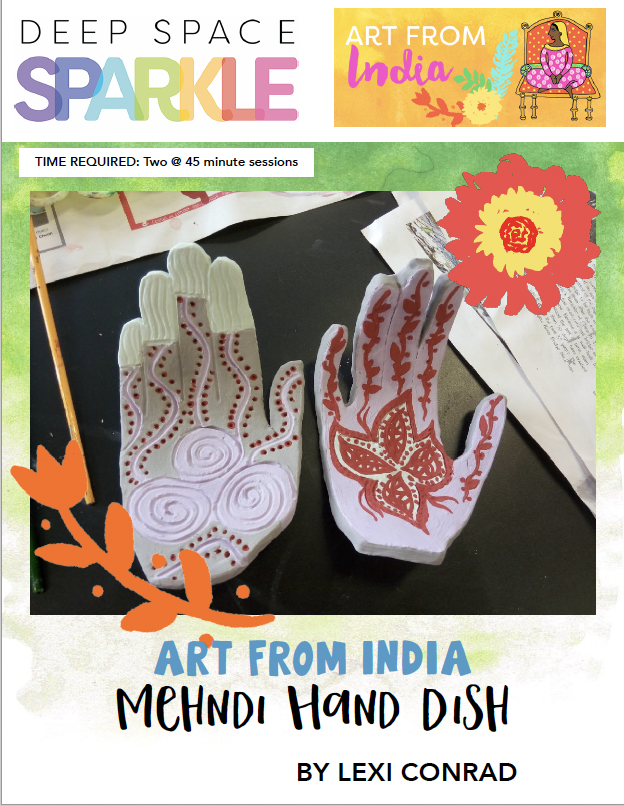
Students will learn about and use pottery clay, tools and vocabulary. After studying henna designs, students will create a 3D clay henna hand dish. This introduces students to the concept... Learn More
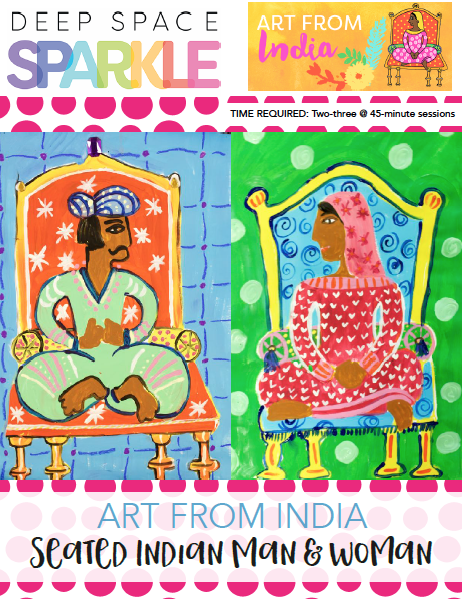
This is a colorful opportunity for children to research and draw traditional Indian dress. Inspired by the colorful illustrations in Indian Tales from Barefoot Book, children follow a drawing sequence... Learn More
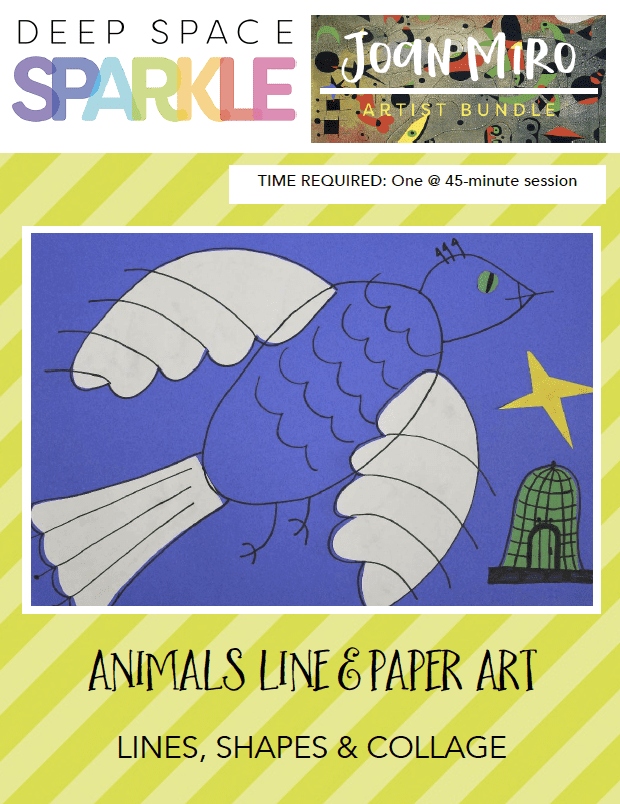
Joan Miró was a Spanish painter, sculptor and print-maker. His first paintings were inspired by Cubism and his later works were more magical and dream-like. The art he created during... Learn More
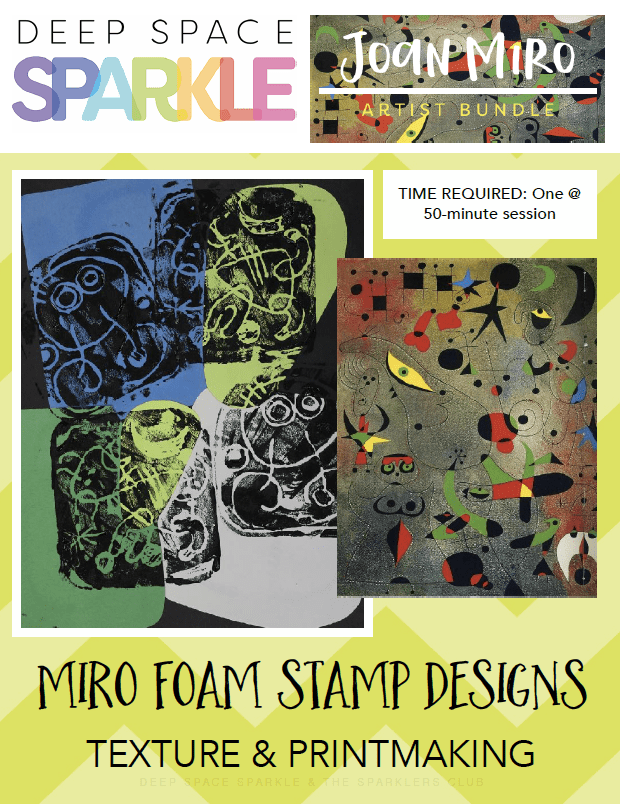
Miró started making prints after he was considered a well accomplished artist. He used two types of print-making: lithography and intaglio. Lithograph: Ink is spread onto the plate and then... Learn More
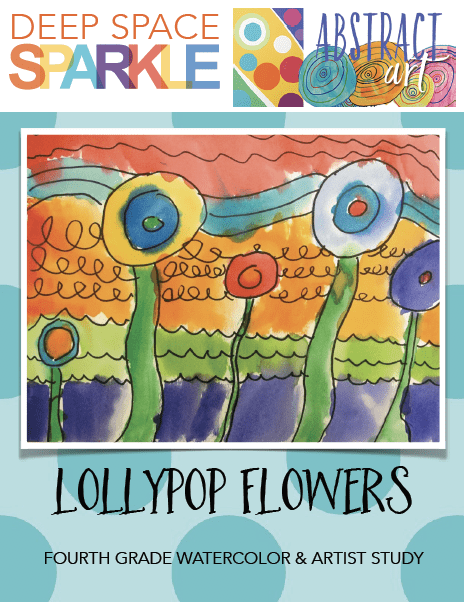
Hundertwassers use of bold, bright colors and organic lines makes him one of the world’s most famous contemporary painters. This project stemmed from a detailed Hundertwasser collage project that I created... Learn More
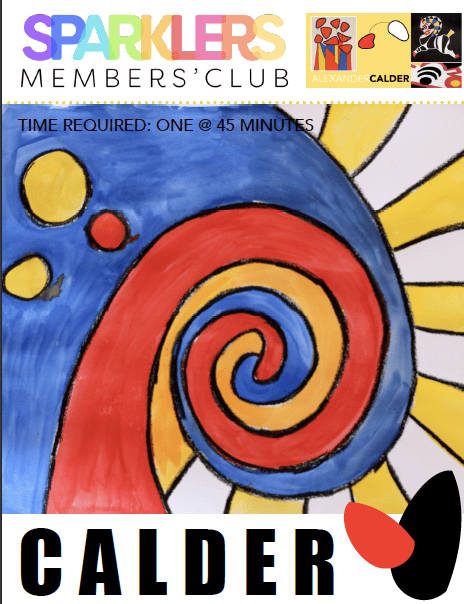
This is an easy project that illustrates Calder’s use of line, shape and form and is a great project to introduce children to primary & secondary colors.... Learn More
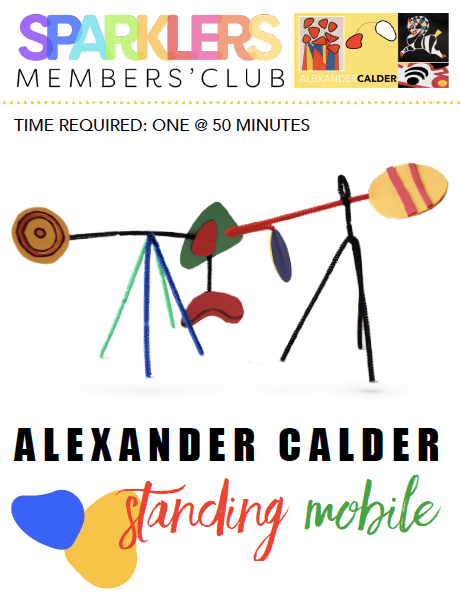
While pipe cleaners are used for this project due to availability and ease of cutting, feel free to use a heavy gauge wire for older students. Alexander Calder introduced a... Learn More
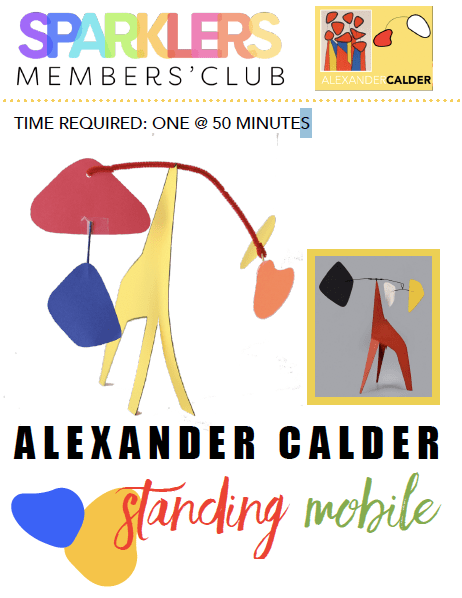
This standing MOBILE project requires a small amount of time to make the components but offers much opportunity to extend the lesson to understand balance & weight. The heavier the... Learn More
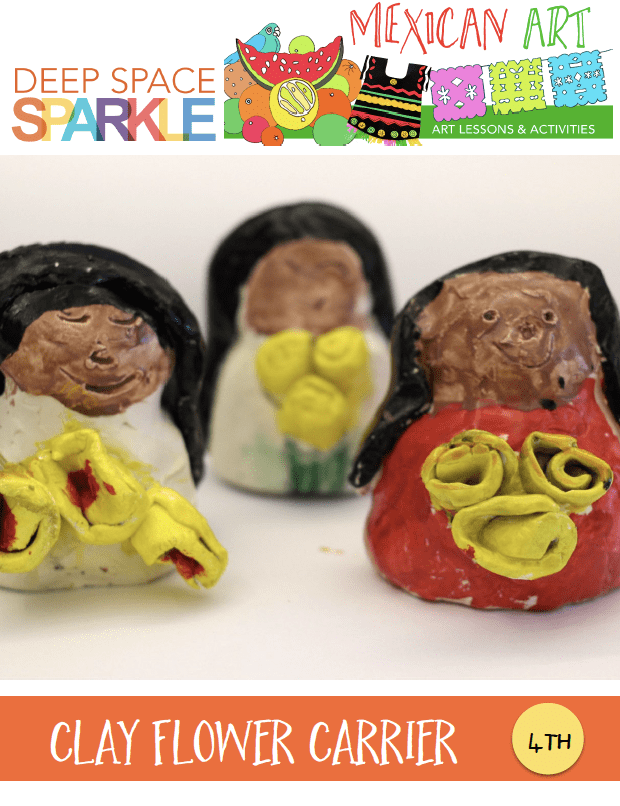
I found a clay Diego Rivera inspired flower carrier sculpture at a Mexican Folk Art store in Sedona, Arizona. It was a perfect project for kids as all the clay techniques were... Learn More
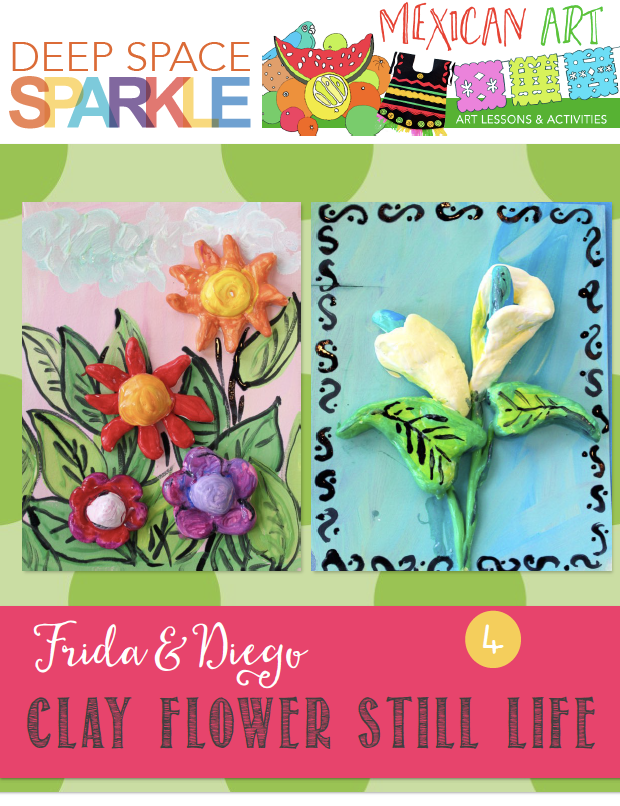
Flowers indigenous to Mexico such as the Marigold and Calla Lilly appeared in the artworks of Frida Kahlo and Diego Rivera many times. Rivera used the calla lily, a very... Learn More
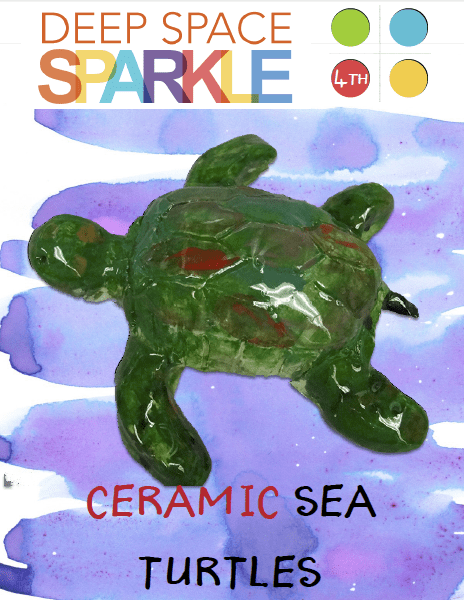
I’m always looking for simple ceramic lessons for my students. I vary the complexities of the lessons according to grade levels, starting with pinch pots in the lower grades and... Learn More
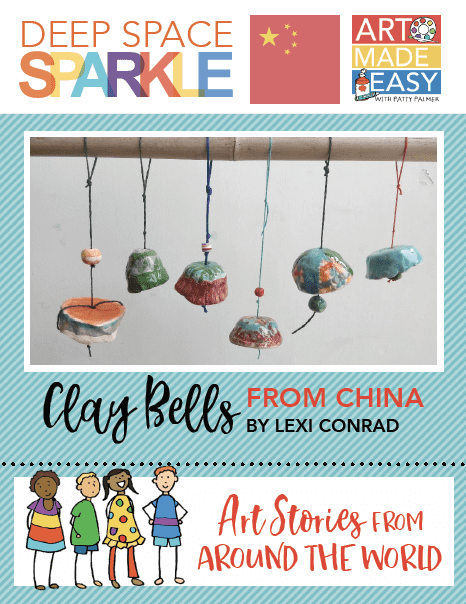
This bell set from the tomb of Marquis Yi is considered one of the finest artifacts from the Warring States Period. The 65 gold-inlaid, bronze bells cover five octaves and... Learn More
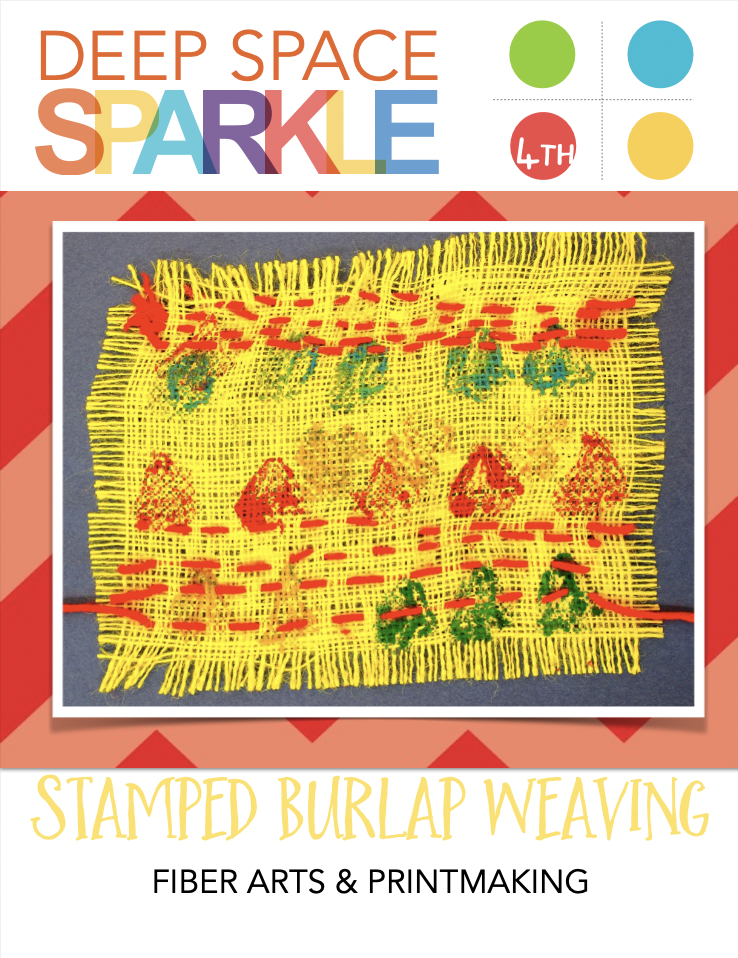
The Stamped Burlap Weaving lesson for fourth grade is an updated version of the lesson previously titled Navajo Weavings. In an effort to more accurately describe the lesson’s content and... Learn More
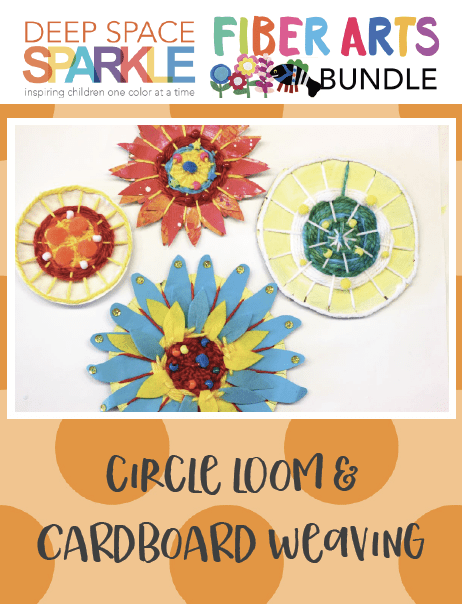
Here are two ways to create circle looms in your art room. Both options are great and only differ in the supplies you might have on hand. Using a cardboard... Learn More
Hundertwassers use of bold, bright colors and organic lines makes him one of the world’s most famous contemporary painters. This project stemmed from a detailed Hundertwasser collage project that I created... Learn More
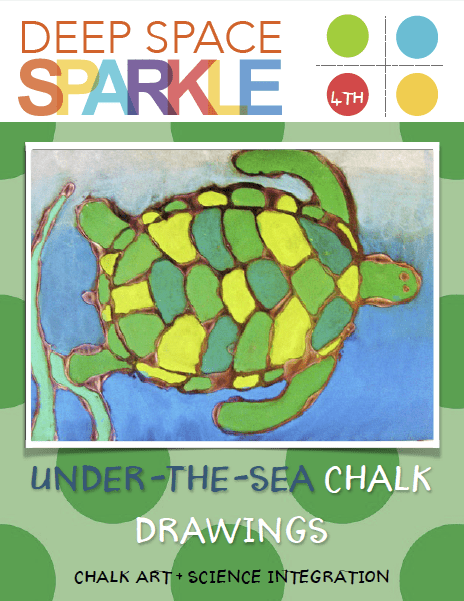
I discovered this lesson while browsing through the Artsonia site. Gulf Elementary in Cape Coral, Florida displayed this beautiful Under-the-Sea chalk art on their school page. Although no lesson plans accompanied the... Learn More
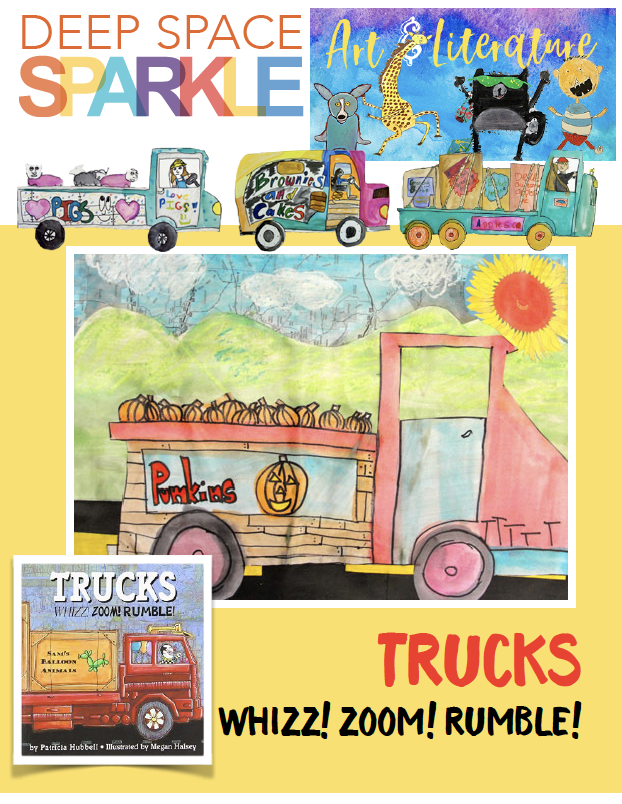
Drawing trucks is one of my most requested how-to-draw subjects in art class. I love the stories of the people who drive them, the cargo they haul and the best... Learn More