
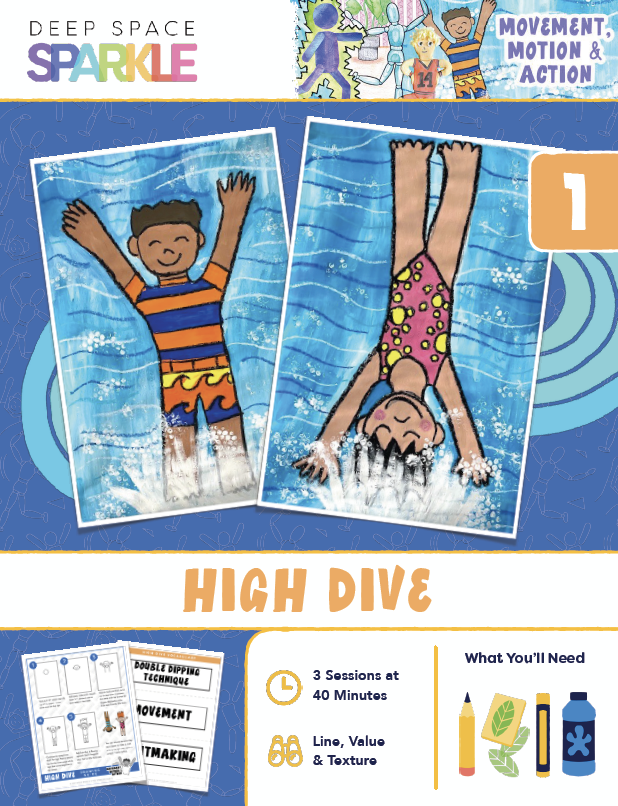
What is more exhilarating as a child, than their first jump off the high dive into a swimming pool? This lesson, based on the children’s book Jabari Jumps by Gaia... Learn More
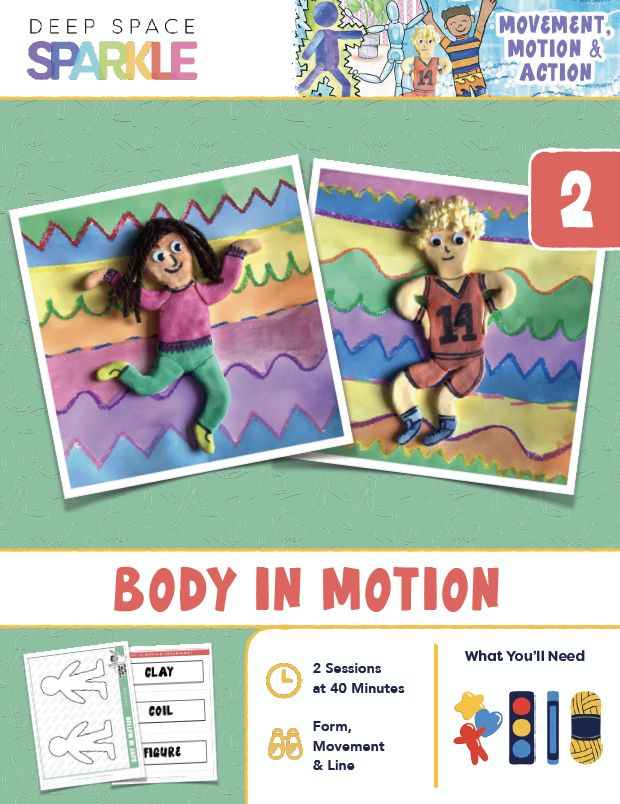
Show off a dance move with the figure in this lesson that features body proportion, movement and line. Students will use a template to form their figure so that there’s... Learn More
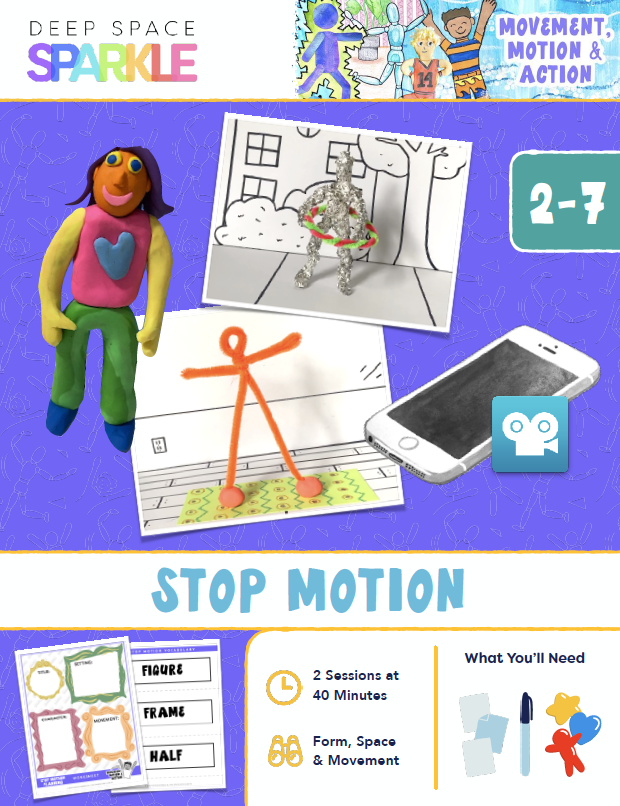
Stop motion offers students of all ages the perfect opportunity to practice digital art in the classroom. In this lesson, students from second grade to seventh grade can either work... Learn More
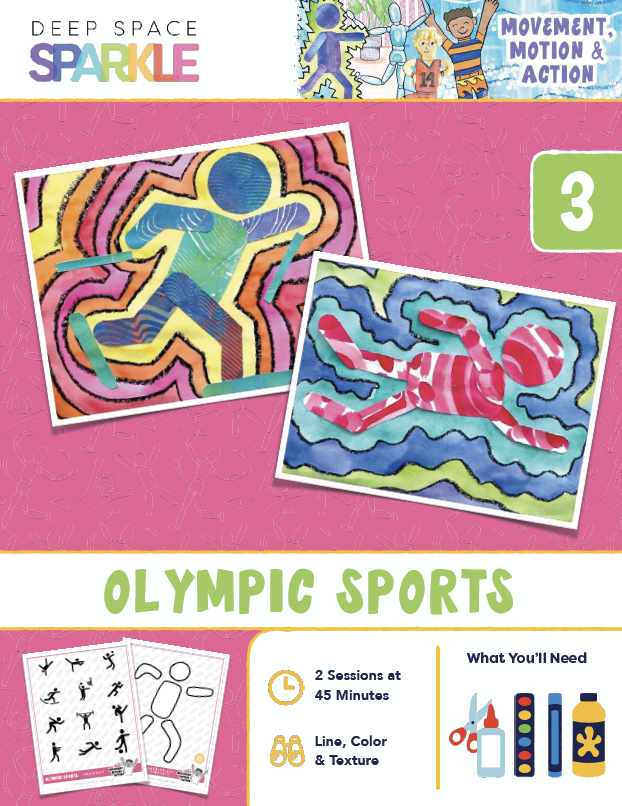
Capture the excitement of watching your favorite Olympic sport with this lesson where students will create a collaged athlete from the sport of their choice. Students will focus on using... Learn More
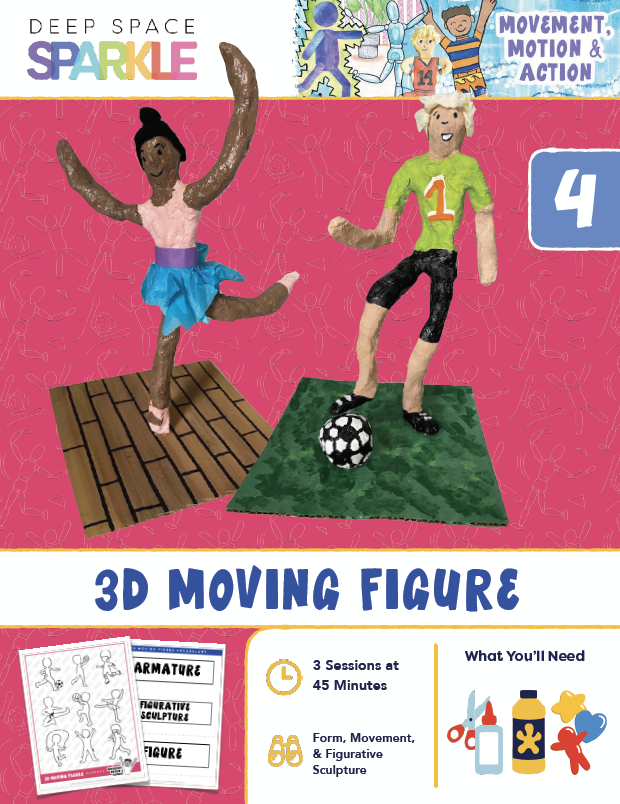
Watch your students be amazed as their tin foil figures become playful figurative sculptures in this 3D Moving Figure lesson than emphasizes movement. With a lot of hands-on engagement and... Learn More
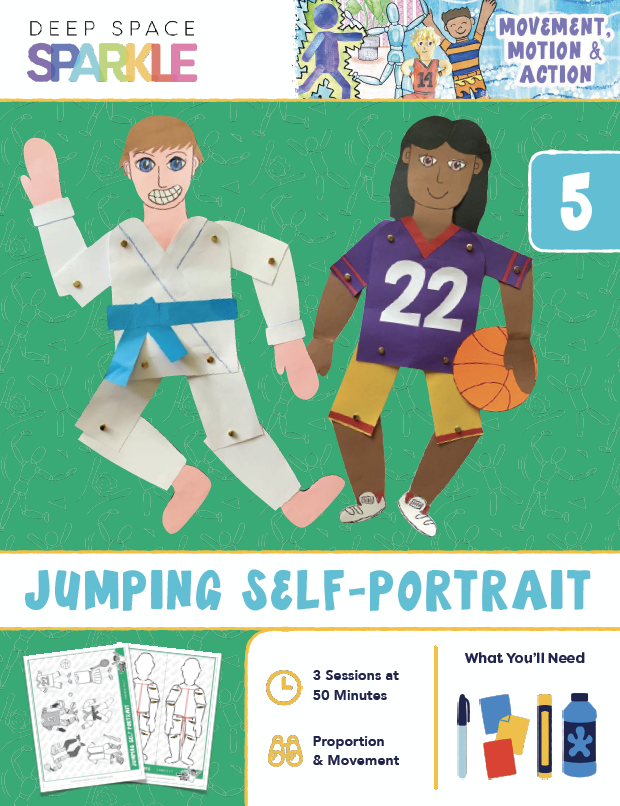
This self-portrait lesson is inspired by the “jumping jack” toy which is a cross between a paper doll and a puppet. Students will connect the arms and the legs of... Learn More
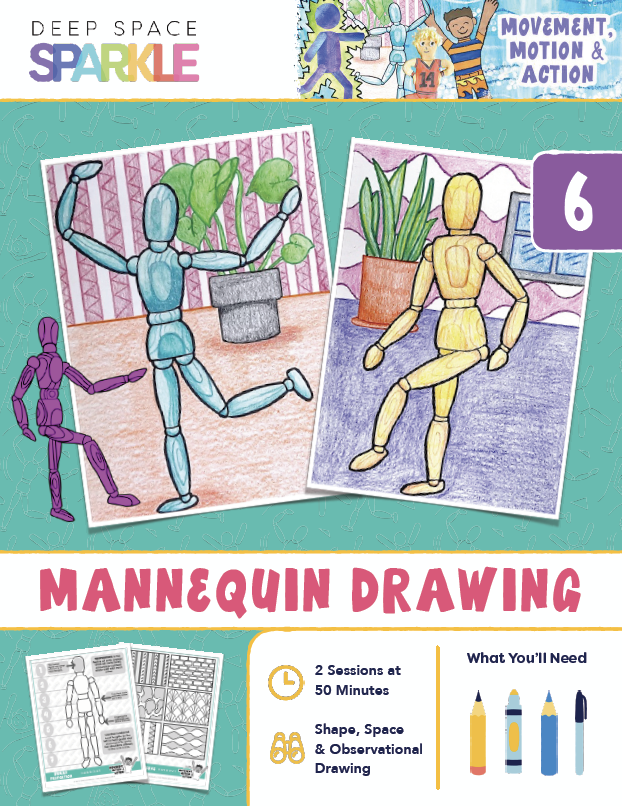
Posable mannequins are a great addition to any art room. They come in many different sizes but look basically the same. Not only are they fun to manipulate, but they... Learn More
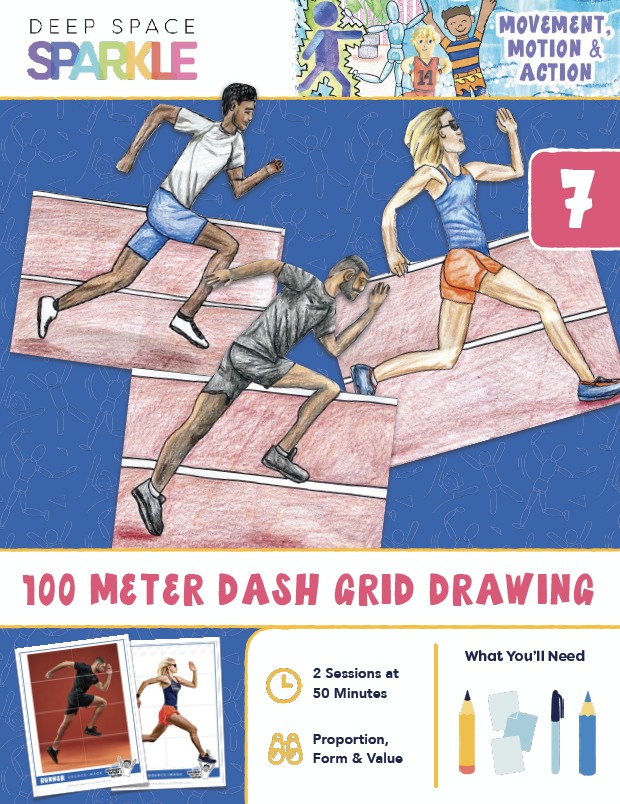
Get ready for a race for the gold in your hallways! These grid drawings are not only a great way for students to learn to draw figures with correct proportions,... Learn More
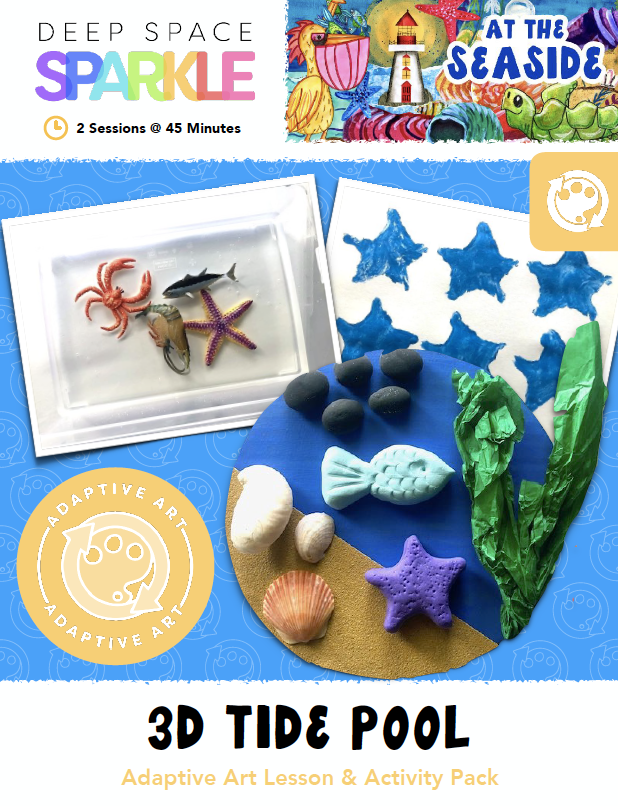
This lesson can be used to for students with disabilities. The recommendations provided are suggested options, which you can pick and choose depending on your students’ needs. You may need... Learn More
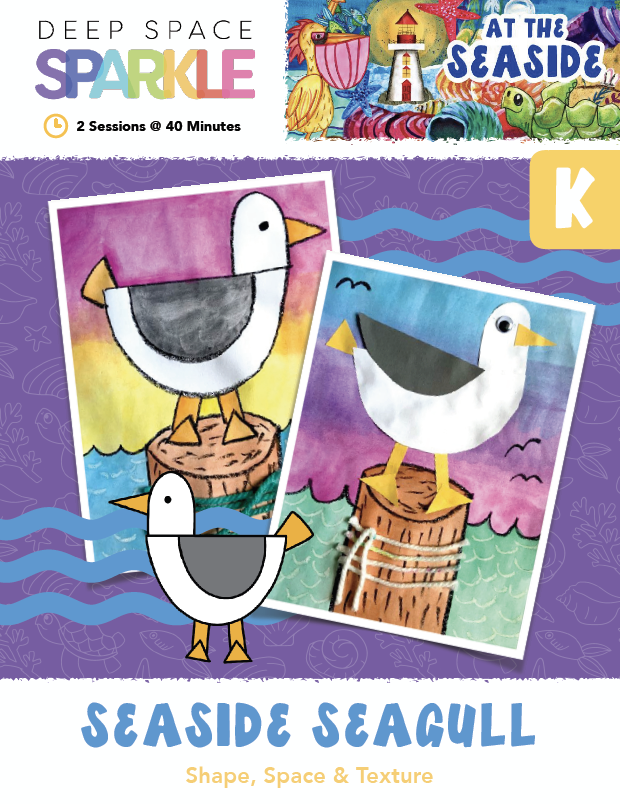
Choose to either draw or cut our shapes in this lesson that features a seagull by the seaside. In either scenario, students will learn how to combine simple shapes to... Learn More
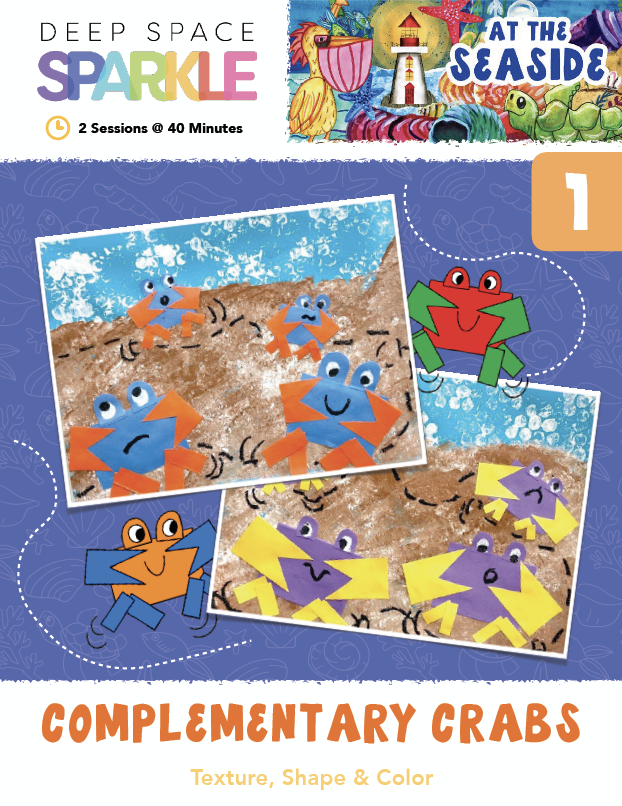
These fun personality-filled crabs are sure to scurry right into your first graders’ hearts. In this lesson, students will choose complementary colors to create these active crabs, which are made... Learn More
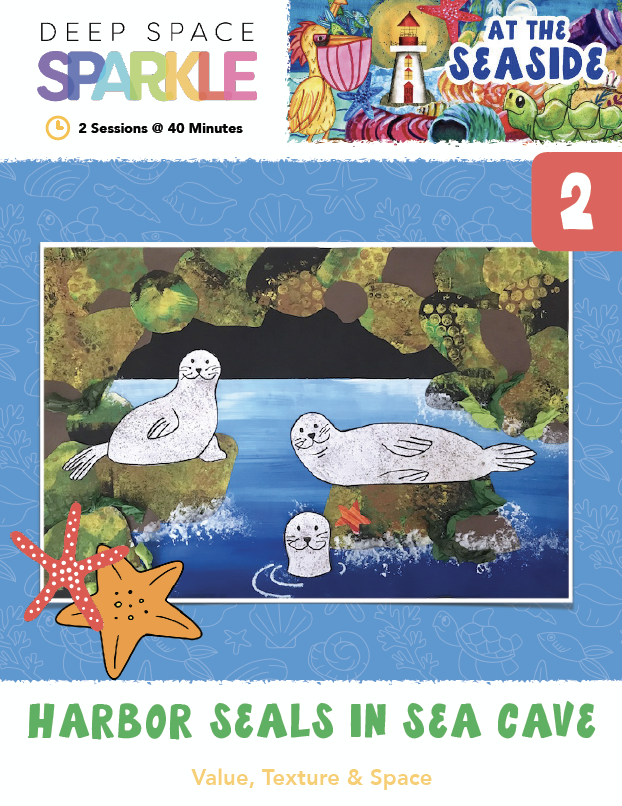
Your students will love preparing all of the different papers used in this lesson inspired by the harbor seals that enjoy sea caves at the seaside. Not only will students... Learn More
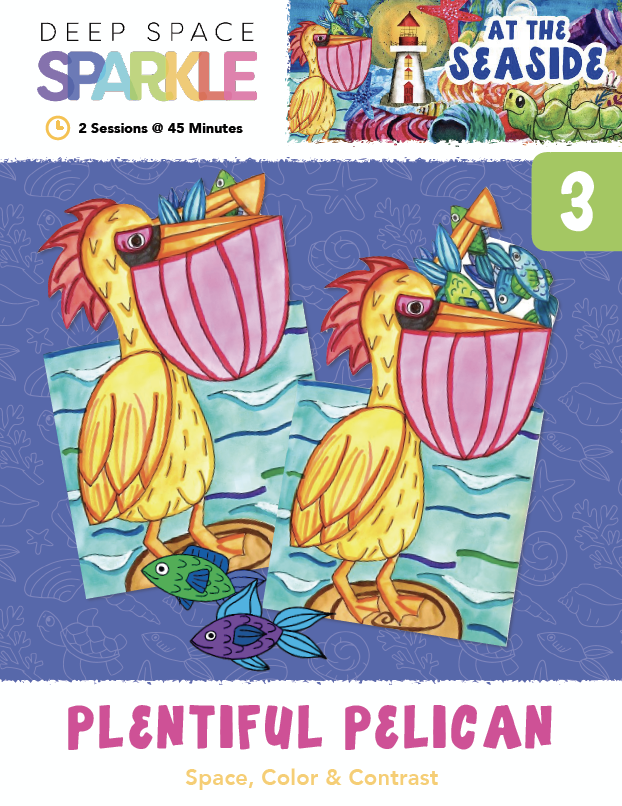
These striking pelicans have a surprise inside their movable beak: it opens up to reveal a plentiful fish catch! In this lesson, students will utilize warm and cool colors in... Learn More
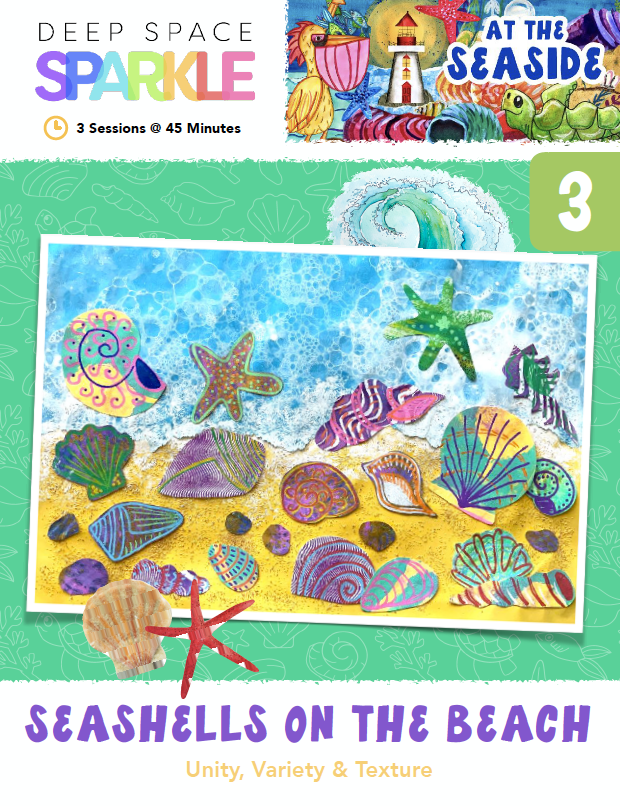
This diverse, multi-layered lesson featuring seashells on the beach has something interesting to look at on every square inch of the paper. Students will be thrilled by the tactile experiences... Learn More
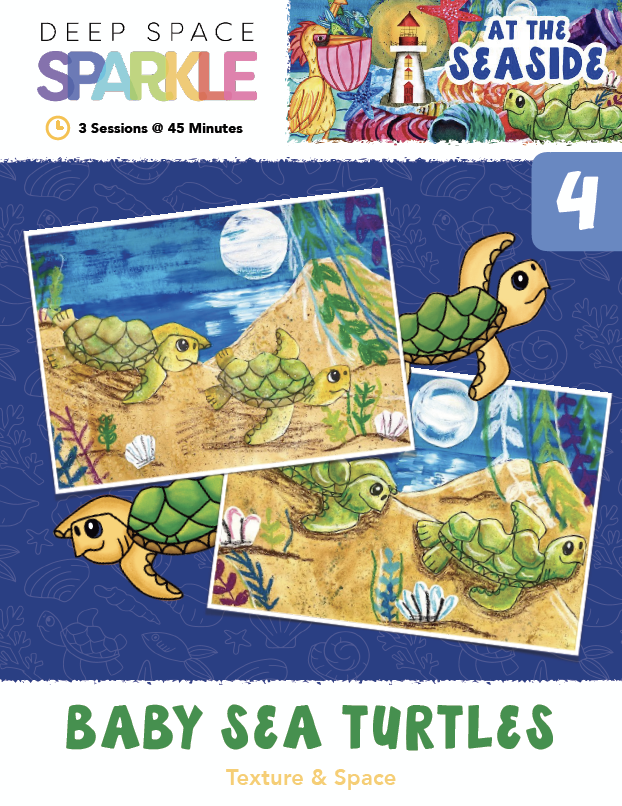
These adorable baby sea turtles have hatched from their eggs and are ready to make the long trip to the sea. In this lesson, inspired by the illustrations in the... Learn More
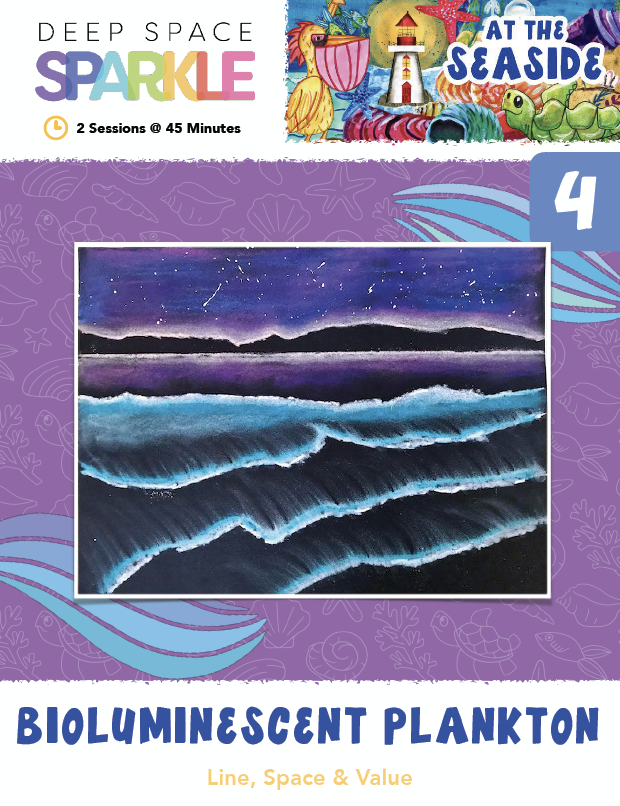
When your students first see this project, they may only recognize a seascape at night but watch them be amazed as they learn about the tiny light-up organisms called bioluminescent... Learn More
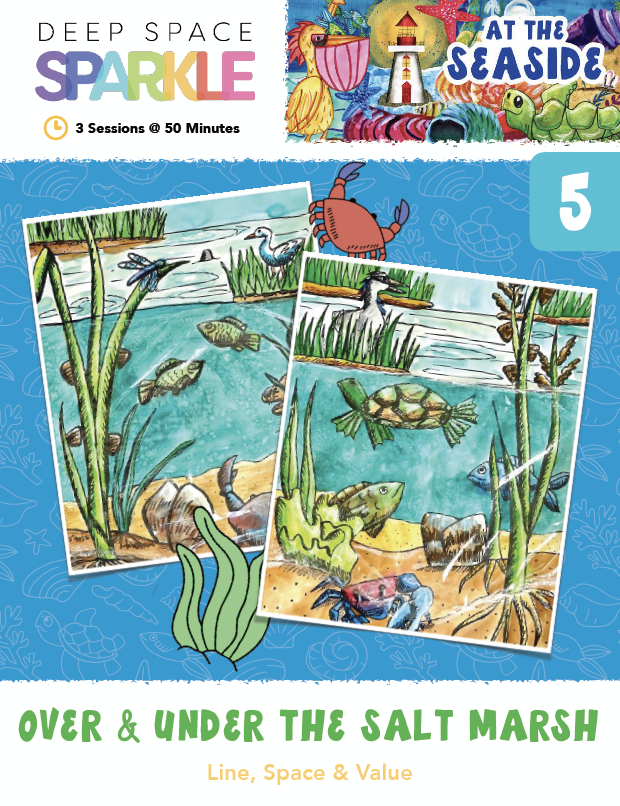
This fun view of the different levels of a salt marsh is sure to pique the interest and curiosity of your fifth-grade students. In this lesson, students will learn about... Learn More
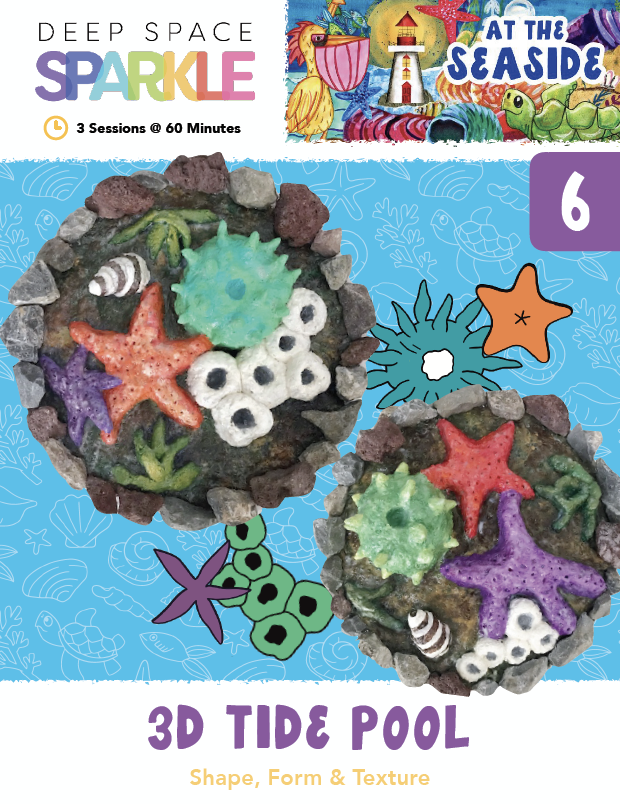
Tide pools are such magical places. Your sixth graders will enjoy choosing what to include in their own three-dimensional tide pool and getting their hands messy in this fun project... Learn More